


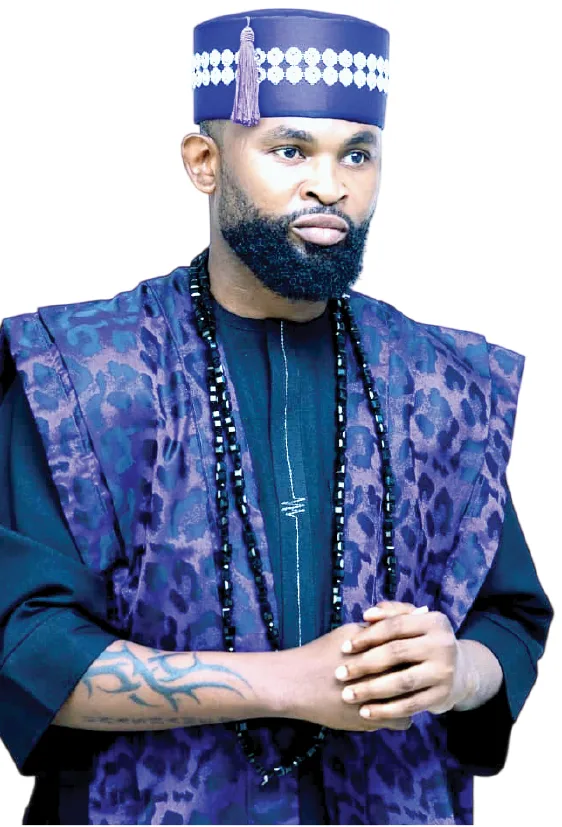
My Mum, Church Rejected Me Over HIV Status – HIV Advocate Chika Ekezie
HIV advocate Chika Ekezie has shared his painful experience of rejection by family members, church members and an employer after his HIV status became known, revealing how discrimination affected his life more deeply than the virus itself.
Chika Ekezie, an HIV advocate from Imo State who currently lives in Abuja, has recounted how his diagnosis changed his relationships with people around him, including members of his family and church.
In an interview with Punch, Ekezie explained that the stigma surrounding his HIV status became one of the most difficult experiences of his life. According to him, people he expected to support him began treating him differently after learning that he was living with the virus.
His experience included losing his job, becoming isolated from relatives and eventually withdrawing from church activities because of the discrimination he faced.
Ekezie, who publicly disclosed his HIV status in November 2024, said he spent approximately seven years in denial before finding the courage to speak openly about his condition.
He has since used social media and media interviews to educate the public, challenge misconceptions about HIV and encourage people living with the virus to seek treatment and live without shame.
How Chika Ekezie Discovered His HIV Status
Ekezie explained that his health problems began with recurring illnesses that he initially failed to investigate properly.
He experienced symptoms including fever, fatigue, pneumonia, night sweats, severe headaches and weight loss. Rather than seeking proper medical attention, he often visited pharmacies to obtain medication whenever he felt unwell.
He said he eventually visited a hospital, where medical tests revealed that he was living with HIV.
However, Ekezie stressed that experiencing symptoms such as fever, fatigue or weight loss does not automatically mean someone has HIV.
He advised people who notice unusual or recurring health problems to seek medical attention instead of relying on self-medication.
According to him, only an HIV test can establish a person’s status. Symptoms alone are not a reliable way to determine whether someone has the virus.
How His HIV Diagnosis Cost Him His Job
Ekezie said his first major experience of HIV-related discrimination occurred while he was working with a magazine agency in Lagos.
At the time, he was frequently falling ill, and his employers became concerned about his physical appearance and health.
He recalled that the company provided money for him to undergo medical tests at a hospital it recommended.
After receiving the results, he was required to present them to his employers because the organisation had paid for the tests.
Ekezie said he submitted the results at approximately 10am. By about 4pm, he was informed that the company was renovating its premises and that he would have to leave.
He described the incident as his first direct experience of workplace stigma connected to his HIV status.
He subsequently boarded a night bus and left Lagos.
The advocate also explained that someone who had recommended him for the job was contacted by the employer and later disclosed his HIV status to another person.
According to him, the information spread quickly, eventually reaching his family before he arrived in Abuja.
He said the experience made him realise how easily private medical information could become public and how damaging the consequences could be.
My Mother and Family Also Experienced Rejection
Beyond losing his job, Ekezie said his HIV status affected his family relationships.
He recalled that people in his mother’s church began avoiding her after they learned about his condition.
According to him, church members held meetings without informing his mother, leaving her isolated within a religious community where she had previously expected fellowship and support.
He also said his brother experienced discrimination because of the situation.
Ekezie alleged that some people went to his brother’s shop and removed clothes belonging to customers.
The experience was particularly painful because the consequences extended beyond the individual living with HIV to relatives who had not contracted the virus.
He explained that the way people treated him and his family was more difficult to cope with than the diagnosis itself.
His account highlights how HIV stigma can affect families, livelihoods, friendships and social relationships, particularly when people lack accurate information about how the virus is transmitted.
Seven Years of Denial Before Publicly Disclosing His Status
Ekezie revealed that he lived with HIV for nine years but kept his status private for approximately seven years.
During that period, he struggled with accepting his diagnosis and did not consistently take medication.
He said he initially did not fully understand the implications of living with HIV. The situation became more difficult when he began experiencing discrimination from people around him.
The fear of rejection and the emotional burden of keeping his condition secret contributed to his prolonged period of denial.
Ekezie said he eventually reached a point where he had to confront his reality and understand that taking responsibility for his health was necessary.
He also reflected on his sexual behaviour before and after his diagnosis, explaining that accepting his status helped him recognise the importance of making responsible decisions.
He said people living with HIV need support, counselling and access to treatment rather than condemnation.
Hospital Experience Inspired Him to Speak Out
Ekezie said his decision to speak publicly about HIV was influenced by another serious health experience that resulted in him being rushed to the hospital.
While receiving medical attention, he watched a TikTok video discussing the period within which HIV could progress to AIDS without treatment.
Having spent about seven years without taking medication consistently, he became frightened about his future.
He began thinking about how he could use the time he believed he had left to make a difference in the lives of others.
According to him, he wanted to share his experiences so that other people could learn from them.
He initially did not imagine that he would live much longer, but someone later encouraged him to begin taking his medication.
That advice changed his outlook.
After resuming treatment, Ekezie said he began recognising the value of his life and decided to give himself another opportunity to pursue his goals.
He eventually made his HIV status public in November 2024.
Since then, he has used his personal story to encourage people living with HIV, educate the public and challenge the discrimination that often surrounds the condition.
HIV Treatment Changed His Outlook on Life
Ekezie described HIV treatment as an important turning point in his journey.
He said he began taking medication consistently and noticed improvements in his general health and physical appearance.
According to him, it took less than a year after starting treatment for his viral load to become undetectable.
An undetectable viral load means that the amount of HIV in a person’s blood has been reduced to a level below the detection limit of the standard viral load test.
This is an important treatment milestone.
When a person living with HIV takes antiretroviral medication consistently and maintains an undetectable viral load, they do not sexually transmit HIV to their partners. This is commonly described as Undetectable = Untransmittable (U=U).
Ekezie said understanding this information gave him greater peace of mind and helped him regain confidence.
He also noted that his physical appearance improved after he started treatment, with changes in his weight and skin.
His experience challenges the stereotype that everyone living with HIV must appear visibly ill or physically weak.
People living with HIV who receive appropriate treatment can remain healthy, work, build relationships and pursue their ambitions.
Why He Stopped Going to Church
One of the most painful aspects of Ekezie’s experience was the rejection he encountered within religious communities.
He said he eventually had to stop attending church because the discrimination became overwhelming.


According to him, some of his brothers stopped communicating with him, while certain cousins no longer treated him as a member of the family.
He explained that people who were previously close to him began behaving as though he were a stranger.
Although some relatives later apologised and restored their relationships with him, he said others continued to misunderstand HIV transmission.
Ekezie noted that some people still believe HIV can be contracted through ordinary social contact.
He stressed that this misconception contributes to unnecessary isolation and discrimination against people living with the virus.
His account raises questions about the responsibility of religious institutions to provide accurate health information and emotional support to members of their communities.
Churches and other religious organisations can play an important role in promoting compassion, encouraging testing and directing people towards appropriate medical care.
They should not become places where people are humiliated or excluded because of a medical condition.
HIV Is Not Transmitted Through Casual Contact
A major part of Ekezie’s advocacy is addressing the misconceptions that encourage discrimination.
HIV is not transmitted through ordinary activities such as:
- Hugging another person.
- Shaking hands.
- Sharing food or eating utensils.
- Sitting beside someone living with HIV.
- Using the same toilet.
- Sharing a classroom or workplace.
- Ordinary social interaction.
HIV is transmitted through specific body fluids, including blood, semen, vaginal fluids, rectal fluids and breast milk, when they enter another person’s body through recognised routes of transmission.
Understanding these facts is essential to reducing fear and preventing discrimination.
A person living with HIV should not be treated as a danger simply because of their diagnosis.
Ekezie Challenges the Belief That HIV Is a Death Sentence
Ekezie identified the belief that HIV automatically leads to death as one of the most damaging misconceptions he encounters during his advocacy work.
He explained that untreated HIV can progress to AIDS, a condition in which the immune system becomes severely weakened.
However, effective antiretroviral treatment can control the virus, protect the immune system and prevent HIV from progressing to AIDS.
People who take their medication consistently and receive appropriate medical monitoring can live long and productive lives.
He also challenged the idea that an HIV diagnosis means someone has failed in life.
According to him, people living with HIV can become professionals, business owners, executives, politicians, religious leaders and successful members of society.
Their medical status does not erase their abilities, ambitions or right to participate fully in society.
Ekezie said he wants people to understand that HIV does not have to determine a person’s future.
His Message to People Who Have Recently Tested Positive
Reflecting on his journey, Ekezie encouraged people who have recently tested positive for HIV not to lose hope.
He advised them to accept their diagnosis, seek professional medical support and remain consistent with treatment.
He also encouraged them not to allow fear of public judgement to prevent them from receiving the care they need.
His message is that an HIV diagnosis does not mean the end of a person’s dreams or opportunities.
People living with HIV deserve respect, privacy, healthcare and the opportunity to live fulfilling lives.
He also urged society to replace discrimination with understanding, explaining that stigma can create emotional and social challenges that make an already difficult experience worse.
The Need to Address HIV Stigma in Nigeria
Ekezie’s account brings attention to the continuing problem of HIV-related discrimination in Nigeria.
Although medical advances have transformed HIV treatment, misinformation and fear continue to influence how some people respond to those living with the virus.
Discrimination can occur in workplaces, homes, schools, hospitals, religious institutions and social environments.
Some people face rejection after their status is disclosed without their consent. Others experience isolation because relatives, colleagues or neighbours misunderstand how HIV is transmitted.
Such experiences can discourage people from seeking testing, disclosing their status to trusted healthcare professionals or remaining connected to treatment services.
Protecting medical confidentiality and treating people living with HIV with dignity are therefore important parts of an effective public health response.
Employers, religious leaders, healthcare workers, families and community organisations all have a role to play in challenging misinformation.
Conclusion
Chika Ekezie’s story is a reminder that the challenges associated with HIV are not limited to medical treatment.
For many people, discrimination, rejection and the fear of being exposed can become significant burdens.
After spending years in denial, Ekezie found the courage to disclose his status publicly and turn his experience into an opportunity to educate others.
His journey also demonstrates the importance of effective treatment and accurate information about HIV transmission.
Rather than isolating people because of their medical status, families, churches and communities can help create environments where individuals receive support and are encouraged to live healthy and productive lives.
HIV is a medical condition, not a measure of a person’s worth. People living with the virus deserve compassion, respect and equal opportunities.